
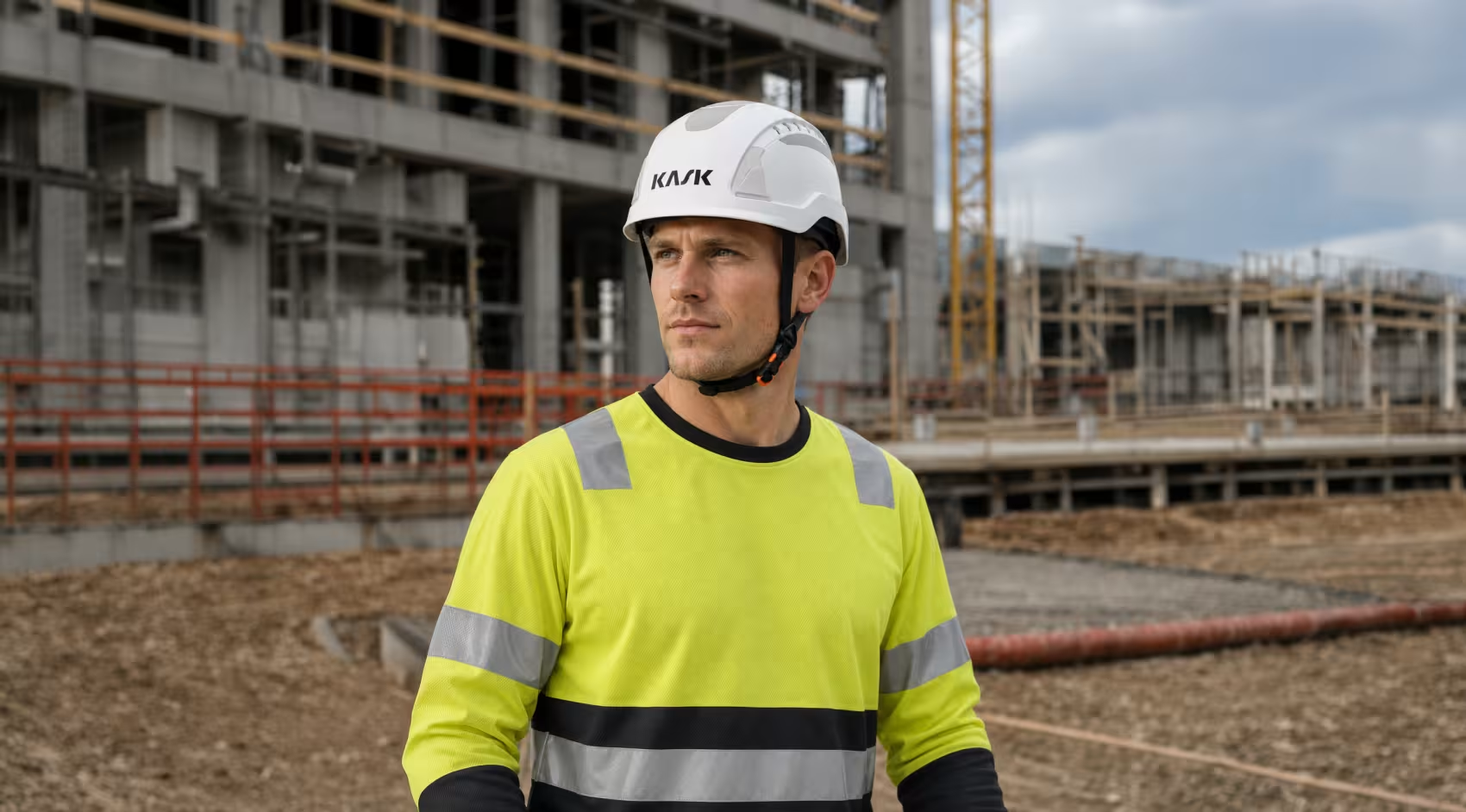
The best protective equipment is the equipment you actually wear
KASK’s design principle
Although the brand is also well known in sport and rescue, KASK’s occupational safety division is clearly focused on one goal – protecting you in real working environments, rather than finding ways to meet standards with the bare minimum.
KASK’s vision is based on the principle that a safety helmet should not involve a compromise between protection, comfort and design. Every product is therefore developed around three core values:
- The best protection – using modern testing methods (such as rotational impact analysis) and high-quality materials.
- Comfort in use – a safety helmet must be comfortable, fit well and be practical to wear throughout your working day.
- Innovation and attention to detail – every component is carefully considered and optimised for real-world situations.
KASK’s approach is to create a comprehensive protective solution in which every detail – from materials to user experience – serves one purpose: to provide maximum protection without compromise.
This combination of Italian engineering, design culture and a rigorous focus on safety makes KASK one of the most trusted names in occupational safety helmets.
More than just a safety helmet – a multi-layer safety system
The construction of a KASK safety helmet consists of several precisely matched layers and components, each with an important role to play: the outer shell, the inner energy-absorbing structure, the headband and internal padding, the quick-adjust fastening with a Quick Fit dial and Up&Down system, and the securing chinstrap.
Outer shell
The outer shell is the entire helmet’s first line of defence – it is the first component to come into contact with a falling object, an impact or abrasion.
But its role goes beyond simply being a “protective layer”. In fact, the main purpose of the outer shell is to control and distribute impact energy, reducing the load on the helmet’s inner energy-absorbing layers and thereby providing maximum protection for your head.
KASK uses a range of high-tech materials for the outer shell, depending on the working conditions and level of risk:
- HD polypropylene (PP) – lightweight, flexible and impact-distributing (e.g. Zenith and Primero models)
- ABS – maximum strength and durability (e.g. Superplasma)
HD polypropylene (PP) is a material whose greatest advantages are its flexibility and deformation behaviour with “memory”. On impact, it does not break immediately, but flexes and absorbs some of the energy before it is transferred further. This means that the instantaneous impact force is reduced, energy is spread over a larger area and the localised load on the skull is reduced.
PP is also very lightweight, reducing strain on your neck during prolonged wear, resistant to cracking, particularly at lower temperatures, and chemically stable. The result is a safety helmet ideally suited to everyday use, where comfort, weight and an adequate level of protection matter, without rigidity or heaviness.
ABS (acrylonitrile butadiene styrene) is known for its balance of high impact resistance, rigidity and toughness, as well as its good resistance to mechanical damage (e.g. Superplasma). This means that ABS does not deform as easily as PP, but can withstand greater and sharper impacts while maintaining structural integrity.
Inner energy-absorbing layer
This is a critical component of the helmet’s construction, whose actual purpose is to protect the brain. While the outer shell distributes the initial impact energy, the inner layer determines how much of the impact force reaches your head.
KASK uses two main high-tech materials in its safety helmets.
HD EPS (High Density Expanded Polystyrene) is a material widely used in top-level sports and industrial helmets, as its properties are ideally suited to absorbing impact energy. The structure of HD EPS consists of thousands of microscopic closed cells that compress (deform) in a controlled manner on impact, absorbing kinetic energy and sharply reducing impact acceleration.
Neopor® Ccycled® EPS – KASK takes this solution a step further by using Neopor® Ccycled® material, made from chemically recycled raw materials. Technically, it is an advanced EPS with highly efficient energy absorption, even distribution of impact loads and good thermal stability.
The material absorbs impact energy from all directions, not just directly from above, and also helps reduce rotational effects (twisting impacts).

What happens when a safety helmet takes an impact?
- The outer shell distributes the impact over a larger area.
- The inner EPS layer begins to compress in a controlled manner.
- The impact energy is converted into deformation.
- The duration of the impact is extended by a fraction of a second.
- The acceleration acting on your head is significantly reduced.
Headband and adjustment system
KASK safety helmets are designed to fit the shape of your head precisely, creating a stable and comfortable fit. This is critical, because even the strongest safety helmet cannot fulfil its purpose if it moves, shifts or fails to stay in the correct position at the moment of impact.
The KASK fit system relies on several components working together to ensure even pressure distribution and maximum stability and comfort.
Soft polyamide nylon headband. Unlike the outer shell and the inner energy-absorbing layer, the headband is in contact with your head, which makes its material, fit and construction particularly important.
The headband in KASK safety helmets is made from soft polyamide nylon (Soft PA Nylon), which is flexible and allows it to adapt to different head shapes. It is durable, ensures comfort even in demanding working environments and does not create excessive pressure points. The result is a safety helmet that does not press uncomfortably on one particular spot, but distributes pressure evenly around your head.
Quick Fit dial adjustment. The KASK adjustment system is not simply a tightening mechanism, but a precisely calibrated system that helps you adapt the helmet to your head. At the heart of the Quick Fit system is a large, ergonomic adjustment dial that is easy to use even with gloves on. This mechanism allows very precise, fine adjustment.
Many models also offer vertical adjustment of the fastening system (Up & Down system), taking comfort and fit to a new level. This allows you to adjust the height of the fastening at the back of your head and fully secure the helmet.
In addition to the headband and tightening system, the helmet’s overall construction also contributes to stability: the shape of the rear head support, the side attachment points of the strap system and the way pressure is distributed. These elements work together to keep the helmet precisely in place, even in a dynamic working environment.
This matters because you do not stand still on a worksite. You bend down, climb, work on slopes, look up and down, and move over uneven ground. If your helmet moves in these situations, slips forwards or backwards, or shifts to the side, the protective zone no longer covers critical areas, protection may be significantly reduced in an impact, and you have to keep adjusting the helmet (or remove it altogether).
The carefully designed fit system of KASK safety helmets keeps the helmet stable even during active movement, without you having to keep adjusting it. The helmet is securely held in place, which means that the entire construction works as intended in an impact. Whether you are bending down, climbing or tilting your head, the helmet does not shift or lose its protective position. Even pressure distribution and a precise fit reduce discomfort.
Chinstrap
The chinstrap is often regarded as simply an additional component of a safety helmet, but in reality it is just as important as the other elements to the helmet’s overall performance. It is the chinstrap that determines whether the helmet stays in the correct position during an impact or a fall – or loses its protective function just when you need it most.
If the helmet is not securely fastened, it may shift, rotate into the wrong position or fall off your head altogether at the moment of impact. In that case, even the best materials and construction can no longer provide protection. This is why KASK has paid exceptional attention to the chinstrap system.
The KASK chinstrap has three adjustment points, allowing you to adjust the strap’s length and angle, fit it precisely to the shape of your face and jaw, and achieve even, comfortable tension without pressure points. This means that the strap does not pull or chafe, but holds the helmet naturally and securely in place.
KASK safety helmets feature a special “Ring to hook” loop that allows you to attach the helmet to a full body harness and prevent it from falling from height. This is a practical solution when you work at height. It also protects workers below, as a falling helmet can itself become a hazard.
The KASK chinstrap is strong enough to keep the helmet on your head during a fall, yet it must release under a certain load to prevent the risk of strangulation or entrapment.

KASK ventilation system
Ventilation in a safety helmet is not just a comfort feature – it is an important part of both ease of use and safety in practice. If your safety helmet becomes hot and stuffy, you are more likely to remove it frequently or wear it incorrectly, reducing the protection it provides.
KASK has taken a systematic approach to this problem, creating a ventilation solution that works actively throughout wear.
Carefully designed airflow: 10 vents + internal channels. KASK safety helmets feature up to 10 strategically positioned vents and internal ventilation channels that guide airflow through the safety helmet.
The vents are designed to let cooler air enter at the front, while internal channels direct it over the top of your head and warm air exits through the rear vents. The result is natural airflow (the so-called “chimney effect”), which reduces heat build-up inside the safety helmet, helps maintain a more stable temperature and improves overall comfort.
Why is ventilation important for safety? When your head overheats, you sweat more, find it harder to concentrate, feel uncomfortable and become more inclined to remove your safety helmet. This, in turn, means a greater risk of accidents and less protection in real-world situations.
The aim of the KASK ventilation system is therefore not only to keep you cool, but also to ensure that you wear your safety helmet correctly and consistently throughout the working day.
Metal mesh (anti-intrusion mesh) – protection without sacrificing ventilation. One of the biggest challenges with ventilation is that openings can allow dust, dirt, small particles and insects into your safety helmet. KASK solves this with a protective metal mesh covering the vents.
This solution prevents debris from entering your safety helmet, protects you from discomfort and maintains full airflow at the same time.
In short, the KASK ventilation system is an important part of the safety helmet’s overall design. It combines carefully designed airflow, effective heat dissipation and protection against debris without compromising ventilation.
KASK inner padding and moisture management
A safety helmet’s inner padding and its ability to wick away moisture are among the most underestimated factors in comfort, yet their effects are felt every day. They determine whether your safety helmet feels dry and comfortable to wear – or quickly becomes heavy, damp and distracting.
KASK has taken a considered approach to this problem by using 2DRY technology in its safety helmets, designed specifically for intensive, prolonged use.
How does 2DRY technology work?
2DRY is not just a breathable fabric, but an active moisture management system. It works on two principles: rapid moisture removal from the skin and fast drying.
The special material immediately wicks sweat away from your skin, moving it to the surface of the inner padding and spreading it over a larger area for evaporation. This means sweat does not stay between your skin and the safety helmet, but is carried away.
Once moisture reaches the surface of the material, ventilation helps it evaporate more quickly, allowing the material to dry faster. This matters because damp padding becomes heavy and feels unpleasant against your skin.
You often wear a safety helmet for several hours at a time during physical work and in varying temperatures. In these conditions, sweating is inevitable. If moisture is not managed properly, heat builds up, the risk of skin irritation increases and comfort suffers.

Combining with other personal protective equipment
As well as providing effective head protection, a KASK safety helmet is a platform around which a complete personal protective equipment system can be built. This means that all KASK accessories are designed from the outset to work with a KASK safety helmet.
Integrated mounting systems
KASK safety helmets feature dedicated, standardised mounts that allow you to position accessories correctly, quickly and easily.
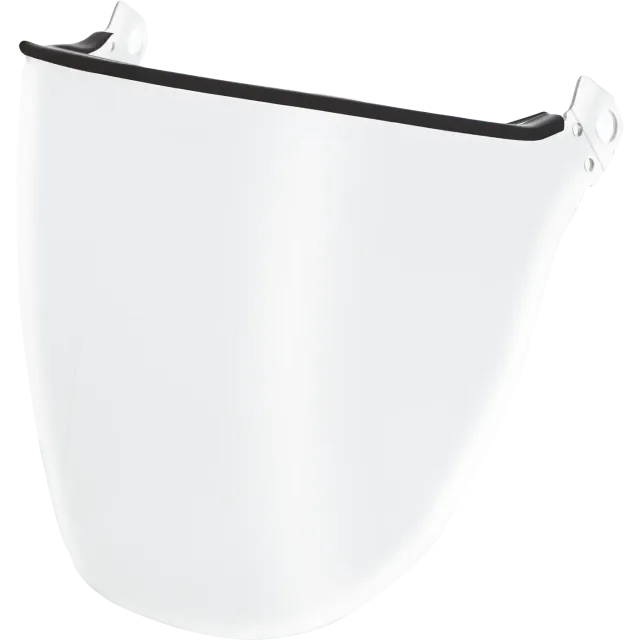
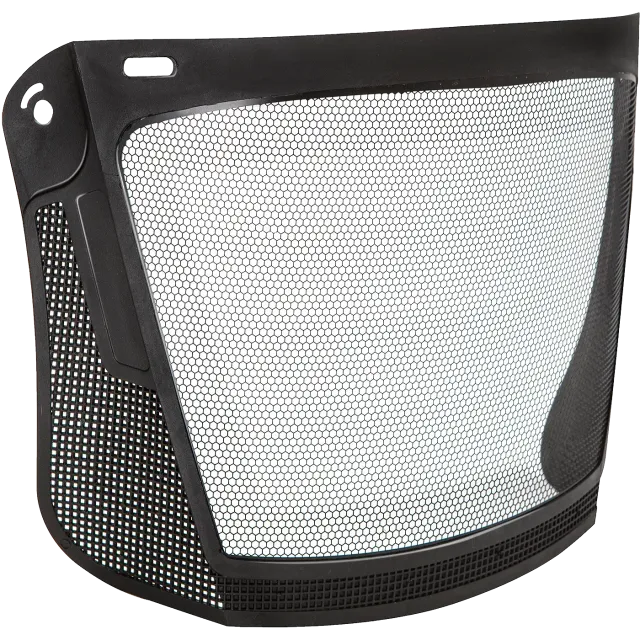
Visor mounting points – the safety helmet has factory-fitted mounts for different types of visor: clear, tinted, full-face and metal mesh options. The visor attaches securely and stably in the correct position, moves smoothly up and down, and does not slip down or wobble while you work.
Earmuff adapters – the KASK Superplasma safety helmet has a standard 30 mm EURO slot mount, widely used for professional earmuffs. Attaching accessories to KASK Zenith and Primero models is even easier – no adapters or spacers are needed.
Light mounts – 4 integrated clips. Dedicated clips on the safety helmet allow you to attach a headlamp securely and keep it firmly in place, even when you move. The headlamp does not slip, shift or cause discomfort.
In addition to the clips on the sides, KASK Zenith and Primero models have a separate mounting slot at the front for a headlamp. You can attach the headlamp here without straps, using a dedicated mounting clip.
Full integration of face and eye protection – you can use all accessories at once if needed. The KASK system is comfortable, effective and compact, and provides complete protection.
KASK safety helmet standards
The standard is changing. The current standard for industrial head protection, EN 397:2012, will be replaced by a new harmonised standard, EN 397:2025, which brings a number of changes. During the transition period, safety helmets marked with either the old or the new standard may be sold, but once this period ends, EN 397:2012 will no longer be valid.
The new EN 397:2025 standard
The new standard was adopted in April 2025, and safety helmets are already being certified to it. All KASK safety helmets manufactured after the new standard was finalised are therefore already certified to the new standard.
You can continue to use safety helmets purchased while the old standard was valid until the end of their service life (for KASK safety helmets, this is 10 years from manufacture). The end of the safety helmet’s service life is marked on the helmet.
The new standard makes some changes to terminology, but also adds important protection parameters, such as head protection from the sides, front and rear. Previously, protection was only required against objects falling from above, and most safety helmets on the market offered only this protection. Now, head protection must also be provided from the front, rear and sides. In fact, statistics show that most head injuries result from trips, slips and falls.
The new standard divides safety helmets into two categories: Type 1 and Type 2 (incorporating the parameters of the former standard for helmets for work at height, EN 12492 – this standard will be withdrawn).
Type 1
- Impact protection at the crown (49 J | 5 kg from a height of 1 m)
- Penetration resistance at the crown (falling sharp object) (29 J | 3 kg from a height of 1 m)
- Chin strap optional; if fitted, fastening strength >150 N (15 kg)
- Resistance to ignition
- Ventilation opening penetration test using a probe (new!)
- Ergonomics test
- Size designation
Type 2
- Greater impact protection at the crown (98 J | 5 kg from a height of 2 m)
- Impact protection from the front, rear and sides (24.5 J | 5 kg from a height of 0.5 m)
- Penetration resistance at the crown (falling sharp object) (29 J | 3 kg from a height of 1 m)
- Mandatory chin strap; fastening strength >500 N (50 kg)
- Retention system effectiveness test
- Resistance to ignition
- Ventilation opening penetration test using a probe (new!)
- Ergonomics test
- Size designation
KASK safety helmets also undergo the WG11 test for protection against rotational impacts.
EN 397:2025 renames “optional requirements” as “requirements for special applications” and strengthens them, recognising their importance in protecting workers in certain industries. These apply to both Type 1 and Type 2 safety helmets.
Requirements for special applications:
- -20 °C, -30 °C, -40 °C – low-temperature requirement: updated
- +150 °C – high-temperature requirement: updated
- Electrical insulation (reference to EN 50365): enhanced
- MM – resistance to molten metal splashes: unchanged
- Electrostatic properties: NEW
- Improved visibility (day and night, with fluorescent shells and reflective elements): NEW
- OCP – head protection from the front, rear and sides (off-crown penetration resistance): NEW
All accessories used on a safety helmet (earmuffs, headlamp, eye and face protection) must be certified together with that specific safety helmet.
KASK’s added assurance – rotational impact protection
Our understanding of head injuries has advanced significantly. While the focus used to be mainly on linear impacts directly from above, it is now clear that a very large proportion of serious brain injuries are caused by rotational forces, or the twisting movement of the head.
In real working environments, objects rarely fall straight down onto your head. Most impacts occur at an angle, involve glancing contact or are linked to body movement. In these situations, the impact is accompanied by rapid rotation of the head, movement of the brain inside the skull, and shearing and stretching of brain tissue. This stretching and shearing is one of the main causes of concussion, diffuse brain injury and long-term neurological damage.

KASK WG11 rotational impact test – a more realistic approach to safety
KASK uses the WG11 test protocol to develop and evaluate its safety helmets. This protocol was designed specifically to assess rotational impacts. Unlike conventional tests, it measures not only the force of the impact but also the rotational velocity and acceleration of the head. This produces a BrIC (Brain Injury Criterion) value, which indicates the risk of brain injury. The lower the BrIC value, the lower the risk of injury, with a critical threshold of approximately 0.68.
KASK safety helmets achieve a value of approximately 0.39, indicating a significantly lower risk and a value almost half the critical threshold. This is no small difference – it represents a substantial safety margin.
KASK’s rotational impact protection relies on several solutions working together:
- the outer shell distributes the impact and reduces the direct impulse;
- the inner EPS layer deforms in a controlled way and absorbs energy;
- the design helps reduce the transfer of torque to your head;
- the entire system works for both linear and angled impacts.
Design that complements the wearer
The best protective equipment is the kind you actually wear. However advanced a safety helmet’s technical features may be, if it is uncomfortable, cumbersome or visually unappealing, you may start wearing it incorrectly, find yourself constantly adjusting it or, in the worst case, not wear it at all.
KASK takes a deliberate approach to this problem, focusing on three key aspects: attention to detail, ergonomics and aesthetics.

Attention to detail – the little things that matter most
Nothing about KASK safety helmets is left to chance. Every detail is carefully considered:
- how the strap follows the contours of your face;
- how the padding feels against your head;
- how the adjustment wheel fits your hand;
- how accessories attach and move.
As a result, KASK safety helmets have no irritating contact points or “cheap plastic” feel, and everything moves smoothly and intuitively. It is these small details that determine whether a safety helmet feels well made and comfortable to you.
Ergonomics – comfort that lasts throughout your working day
For KASK, ergonomics is not just about softness, but about how the entire safety helmet fits your head and accommodates your movements and working positions. This includes balanced weight distribution, a low profile that does not restrict movement, a good fit with an adjustment system, and ventilation and moisture management.
An ergonomic safety helmet does not tire your neck, press or pinch, or obstruct your field of vision, and stays securely in place even when you move.
Aesthetics – more than just looks
Although appearance may seem secondary, it has a significant influence on how you use your equipment. That is why KASK pays attention to modern, sporty design, clean lines and a compact shape, as well as colour options and finish.
This matters psychologically – you are more likely to wear equipment you feel good in.
KASK safety helmet lifespan – up to 10 years of reliable protection
KASK safety helmets are designed for long-term use and have a maximum lifespan of up to 10 years from the date of manufacture, provided you use and maintain your safety helmet according to the instructions.
This clearly demonstrates the high quality of the materials and construction – the safety helmet is designed not for short-term use, but for long-lasting, reliable protection.
However, you should bear in mind that its lifespan may be shortened by conditions of use, UV radiation, chemicals or mechanical damage. Regular inspections and replacement of components when necessary help ensure that your safety helmet retains its protective properties throughout its service life.
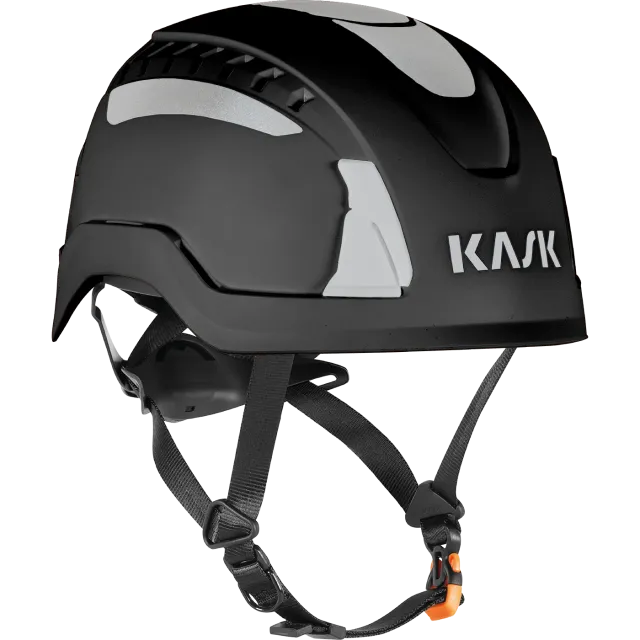
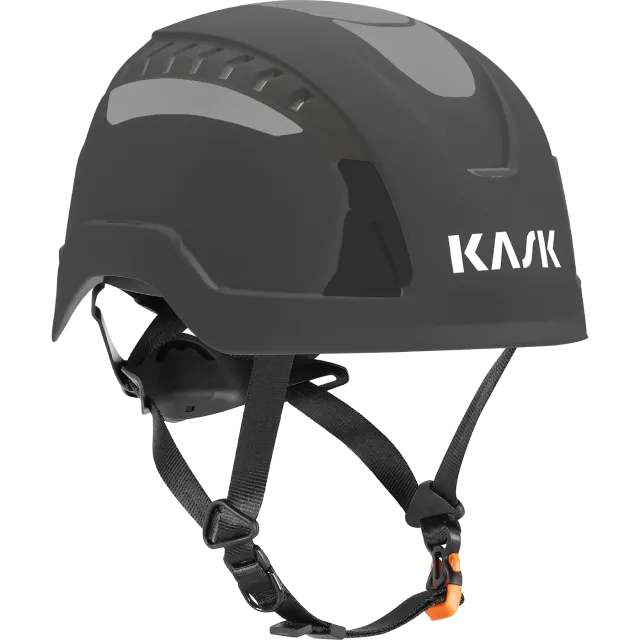
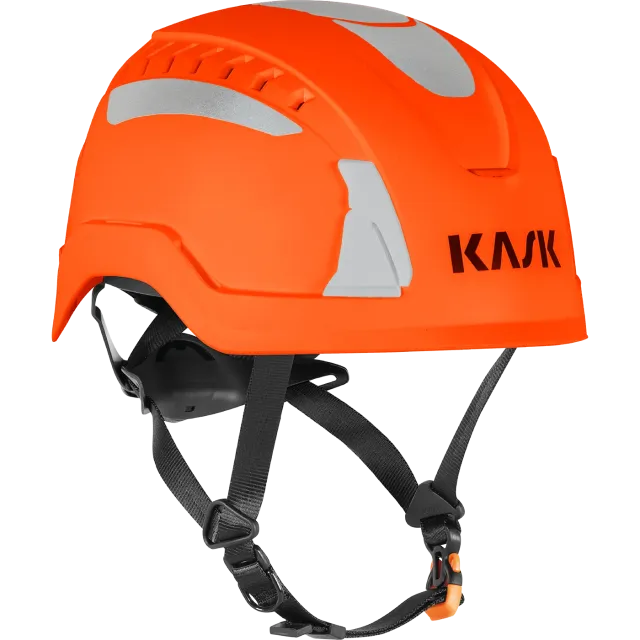
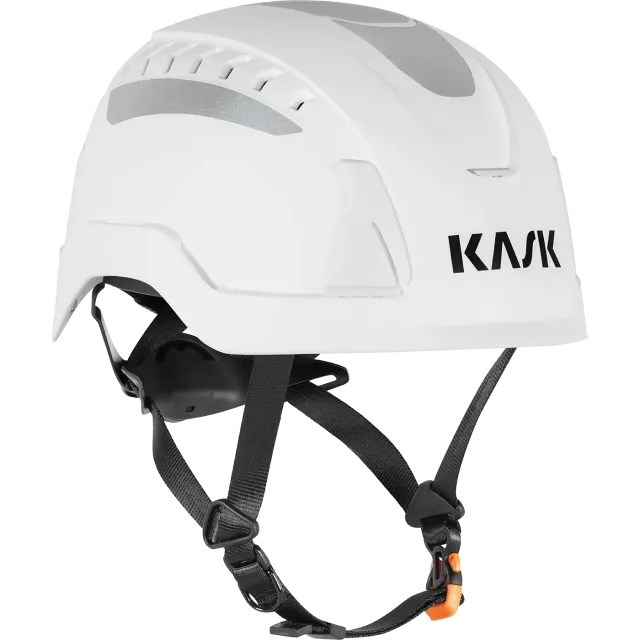
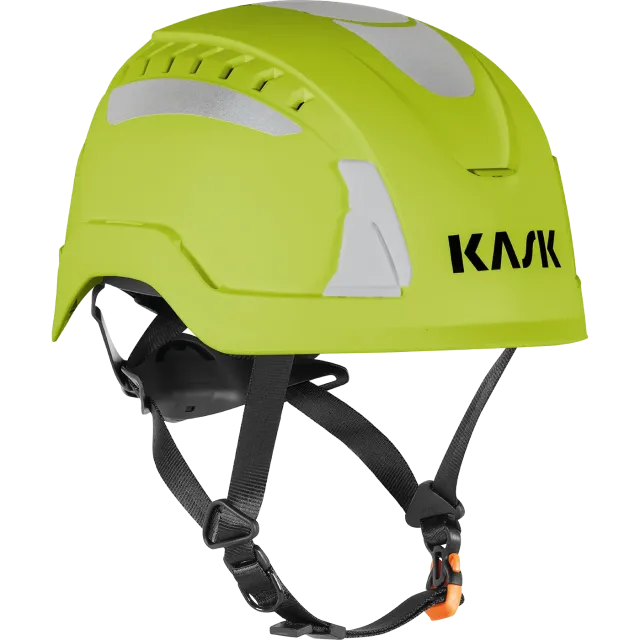
KASK Primero Air Hi-Vis safety helmets
If a safety helmet is part of your everyday protective equipment, the KASK Primero Air safety helmet is your best choice. Made in Italy, this premium safety helmet is used and praised by the most demanding professionals. It combines the best possible protection, genuine comfort, functionality, a long service life and a stylish, sporty design.
- 2024 Design Award
- Reflective elements
- Glow-in-the-dark light attachment clips
- Easy Click – accessories attach without adapters
- Ergo Fit system (Quick Fit + Up&Down)
- Ventilation openings
- Protection against electric shock
- Neck cover attachments
- Premium safety helmet made in Italy
- 3-year warranty, 10-year service life
- The best protection: EN 397:2025 / -30 °C / LD / MM
- WG11 rotational impact test
- Slim chin strap with four-point attachment
- Adjustable size: 52–63 cm
KASK Primero Air Hi-Vis safety helmet
Black147,99 €In stock- Must
- Antratsiithall
- Neoonoranž
- Valge
- Neoonkollane
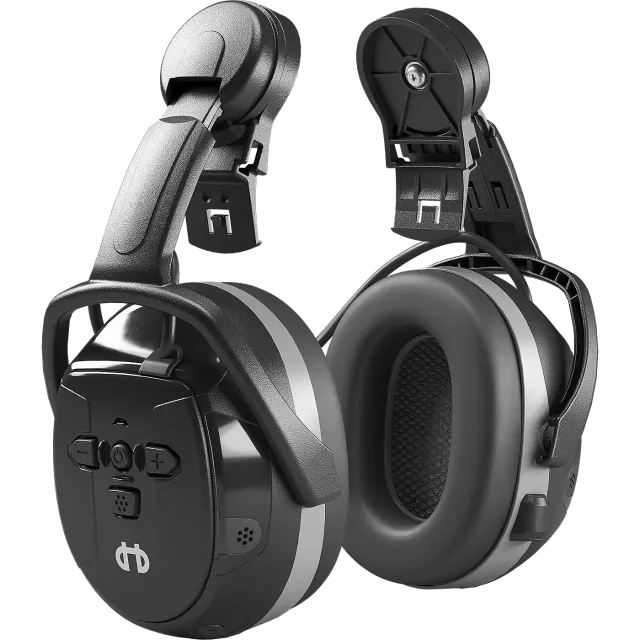
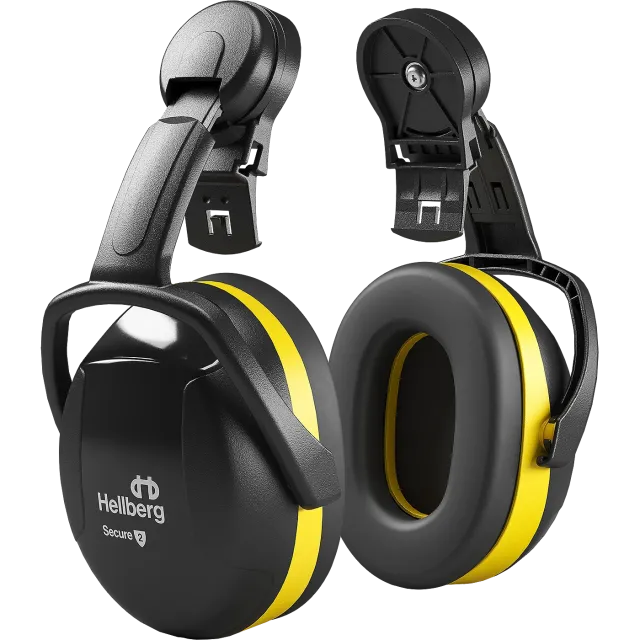
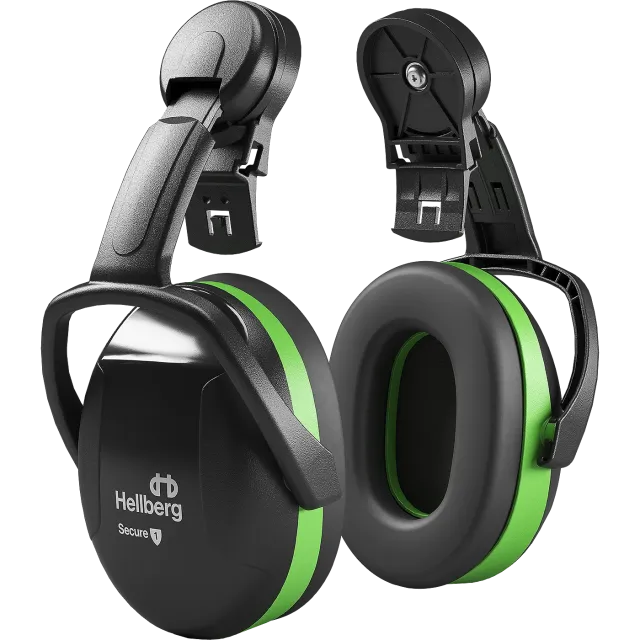
HELLBERG earmuffs for KASK safety helmets
Earmuffs from HELLBERG, a brand within the Hultafors Group, are tested and certified for use with all KASK safety helmets.
KASK safety glasses for the Primero safety helmet
Accessories for the KASK Primero safety helmet
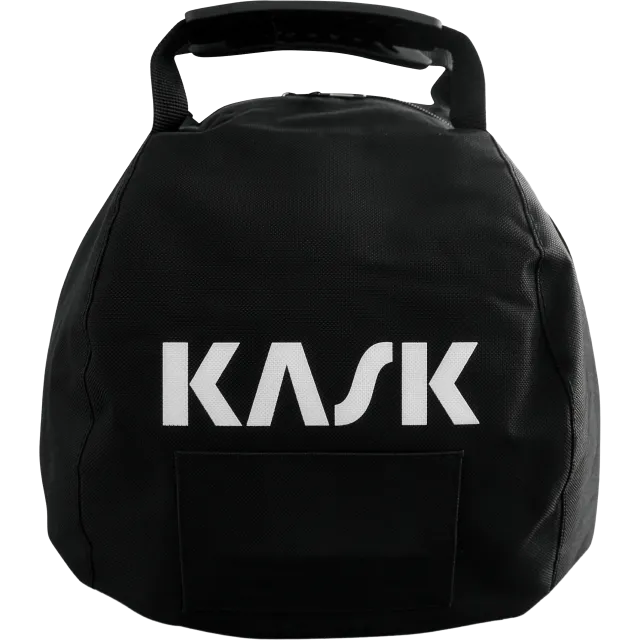
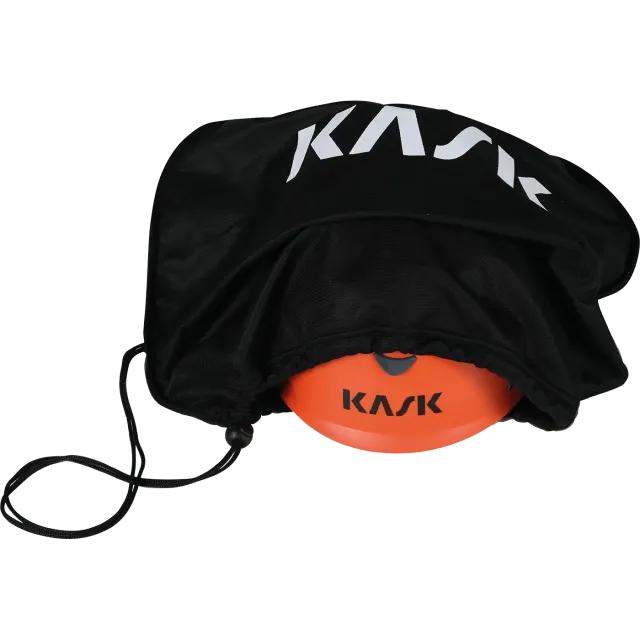
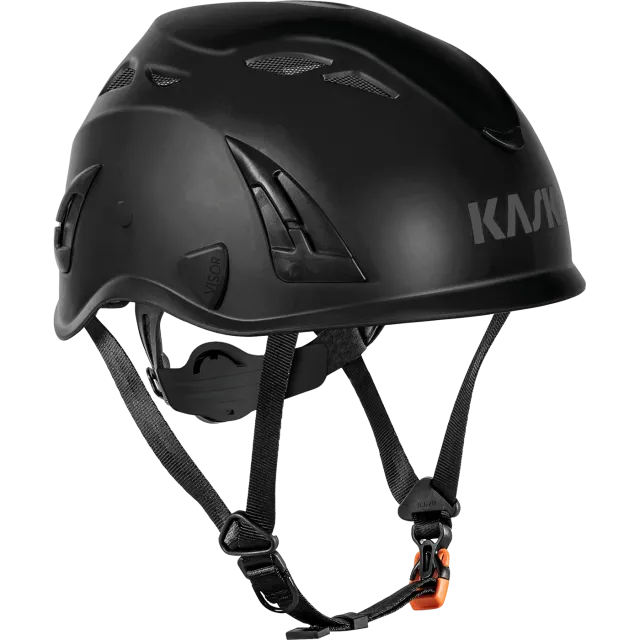
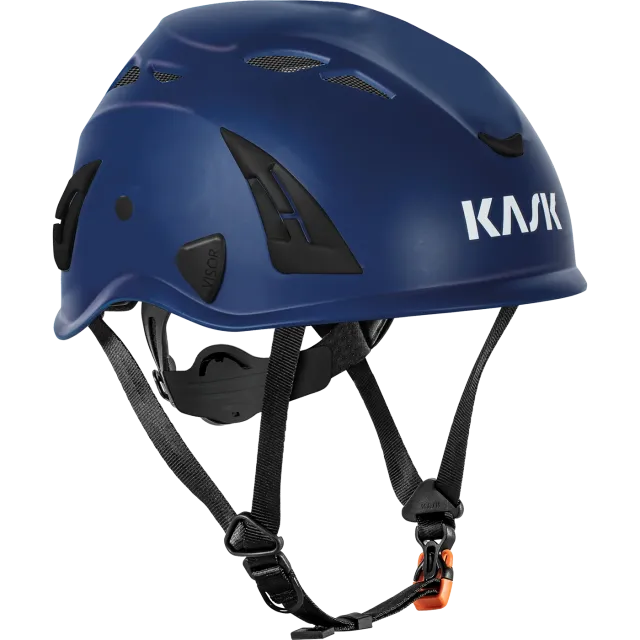
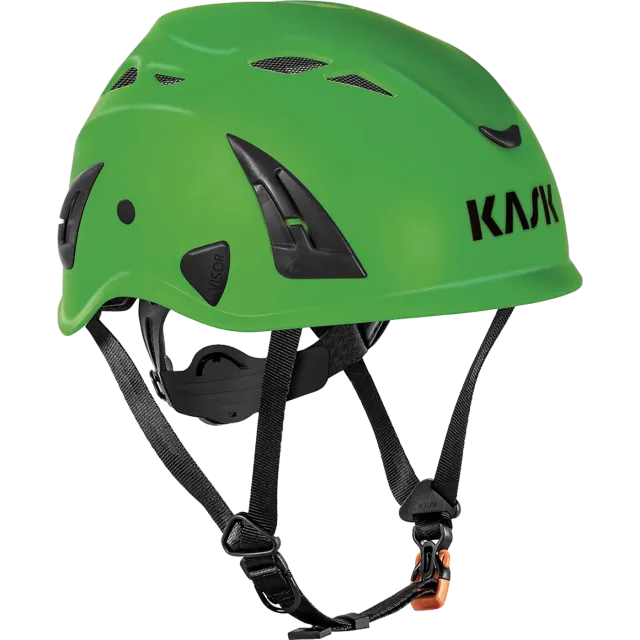
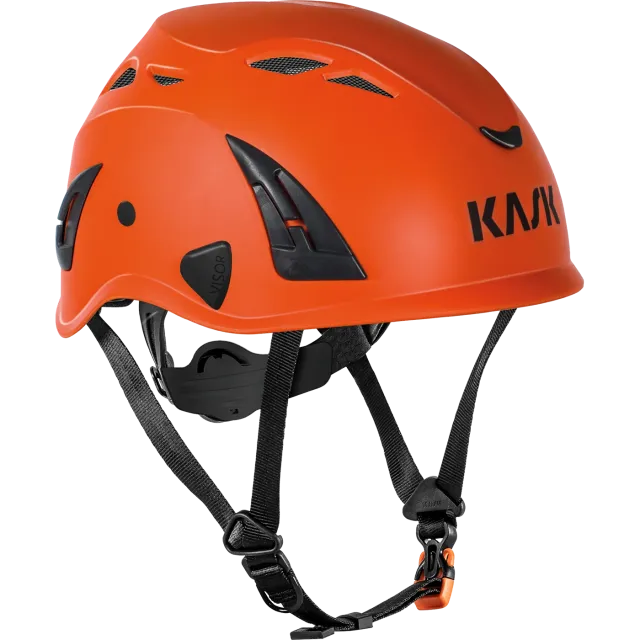
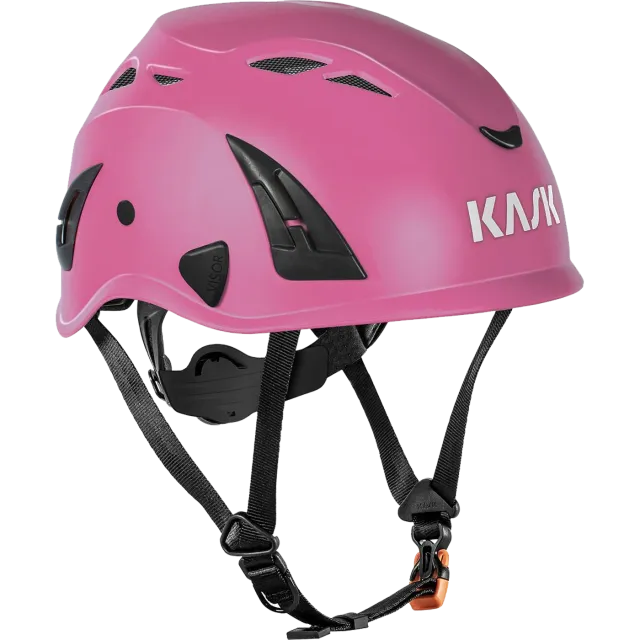
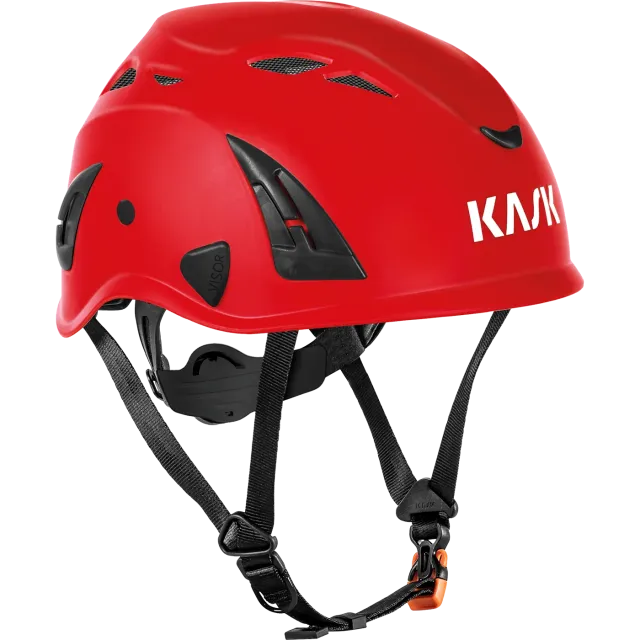
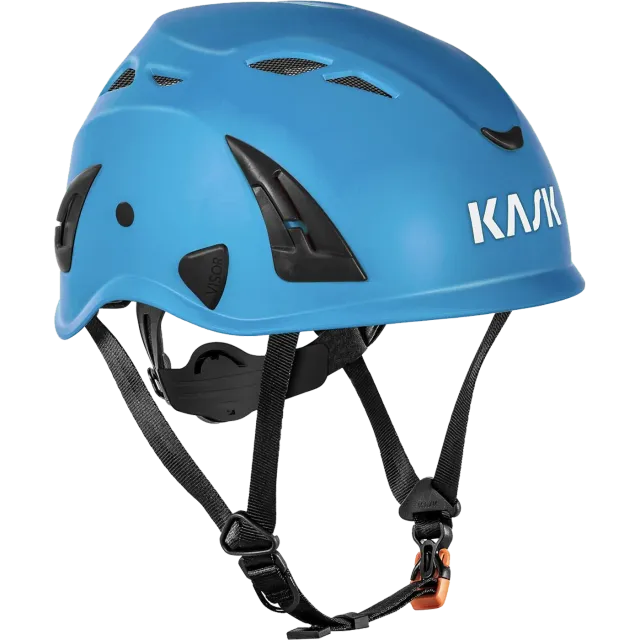
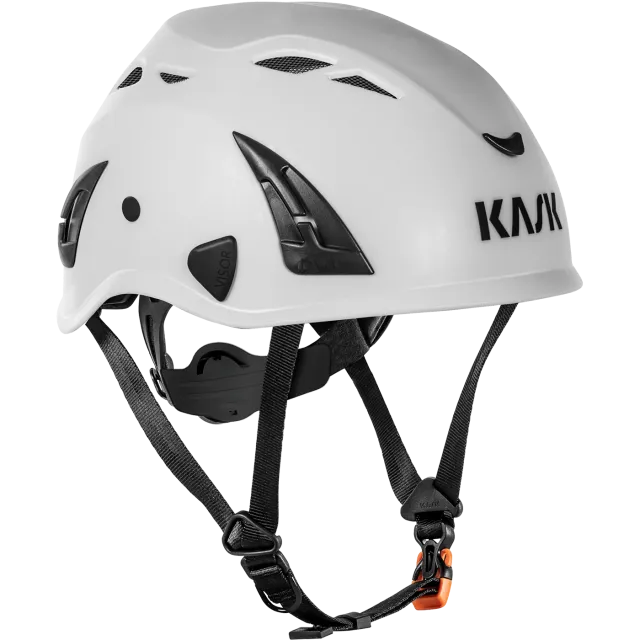
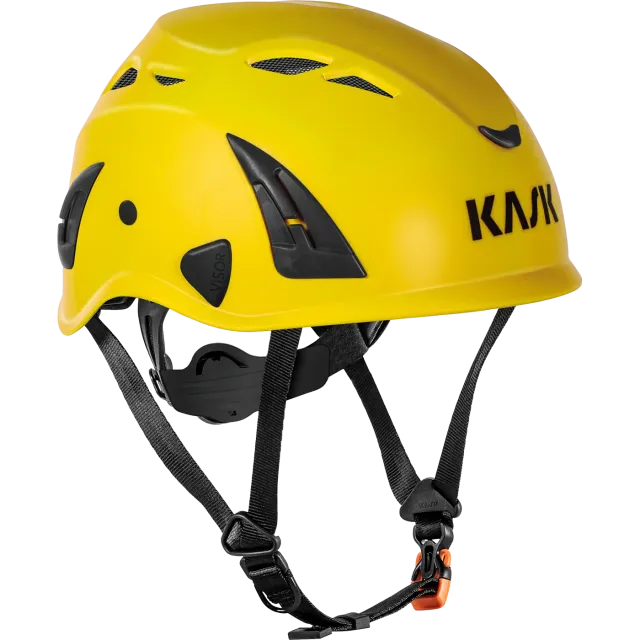
KASK Superplasma AQ safety helmet
The KASK Superplasma safety helmet is lightweight and comfortable, making it suitable for active use and extended wear. The Quick Fit adjustment system ensures a comfortable fit, while WG11 rotational impact testing and protection that meets EN 397:2025 requirements make it a good choice for professional use.
- Quick Fit dial adjustment
- Ventilation openings
- Premium safety helmet made in Italy
- 3-year warranty, 10-year service life
- WG11 rotational impact test
- Top protection: EN 397:2025 / -30 °C / LD / MM
- Slim chin strap with four-point attachment
- Attachments require mounting accessories (sold separately)
- Adjustable size: 52–63 cm
KASK Superplasma AQ safety helmet
Black111,00 €In stock- Must
- Sinine
- Roheline
- Oranž
- Roosa
- Punane
- Kuningsinine
- Valge
- Kollane
KASK safety glasses for the Superplasma AQ safety helmet
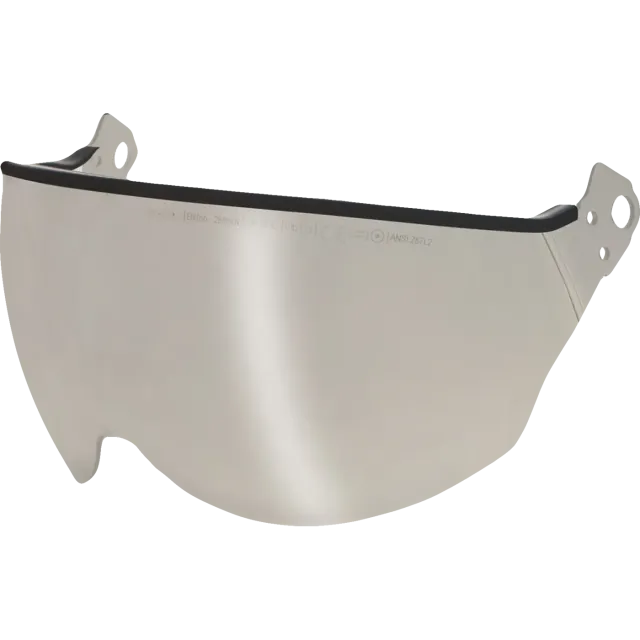
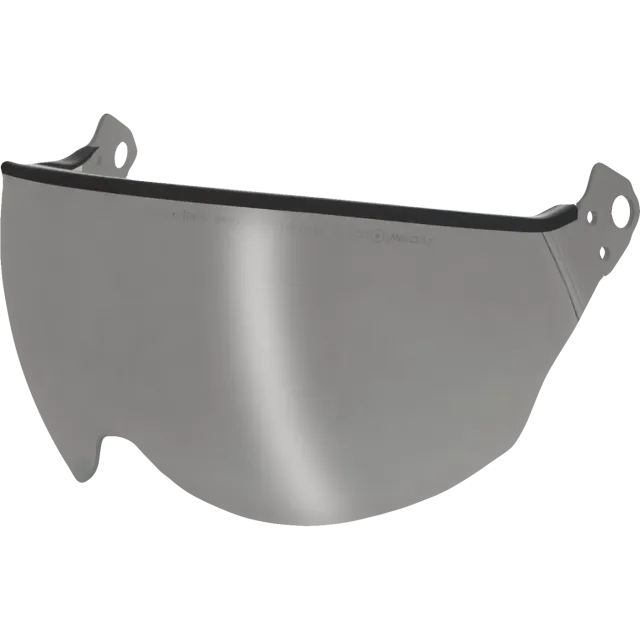
KASK visors for the Superplasma AQ safety helmet
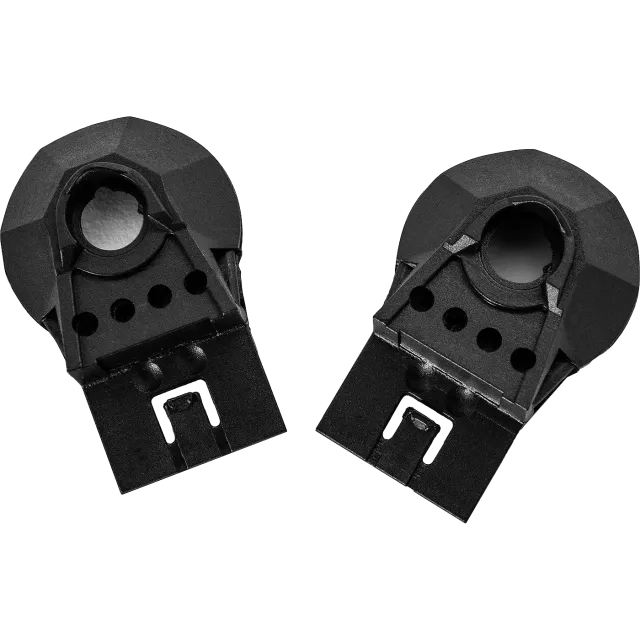
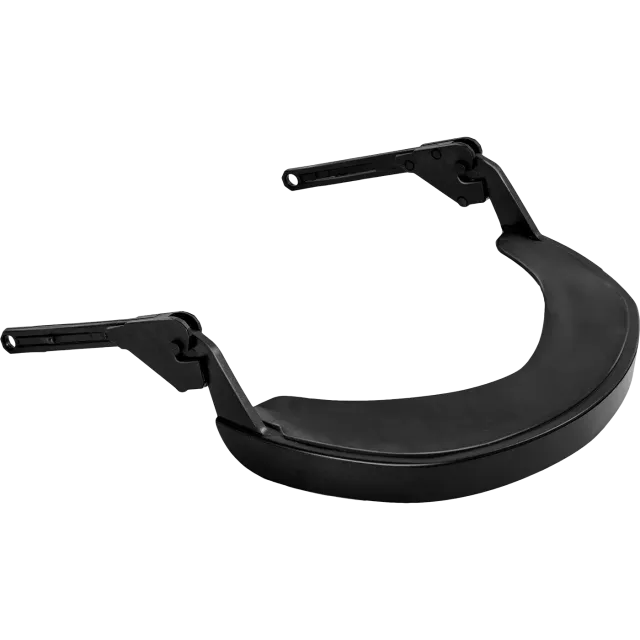
Accessories for the KASK Superplasma safety helmet
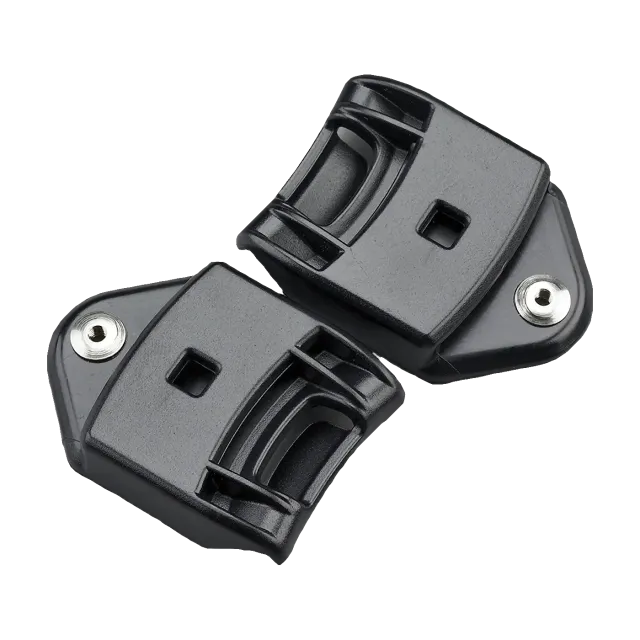
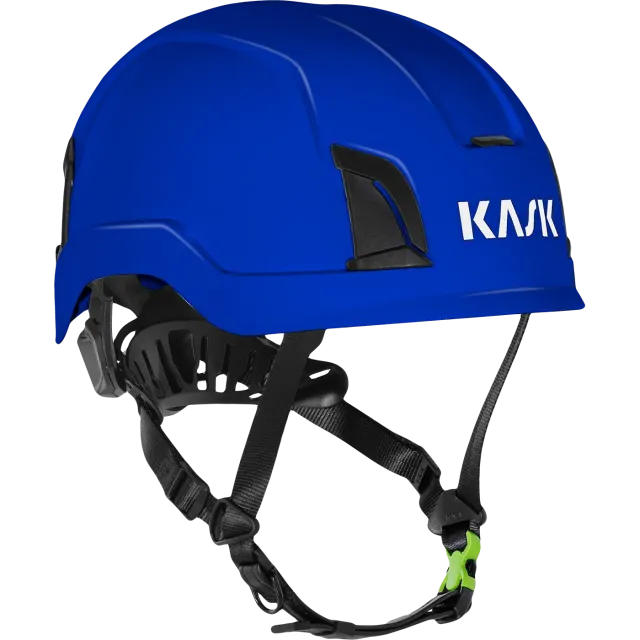
KASK Zenith X safety helmet
- Easy Click – accessories attach without adapters
- Ergo Fit system (Quick Fit + Up&Down)
- Protection against electric shock EN 50365 (Class 0)
- Premium safety helmet made in Italy
- 3-year warranty, 10-year service life
- Best protection: EN 397:2025 / 440 V a.c / -30 °C / LD / MM
- WG11 rotational impact test
- Slim chin strap with four-point attachment
- Adjustable size: 52–63 cm
HELLBERG earmuffs for KASK safety helmets
Earmuffs from HELLBERG, a brand within the Hultafors Group, are tested and certified for use with all KASK safety helmets.